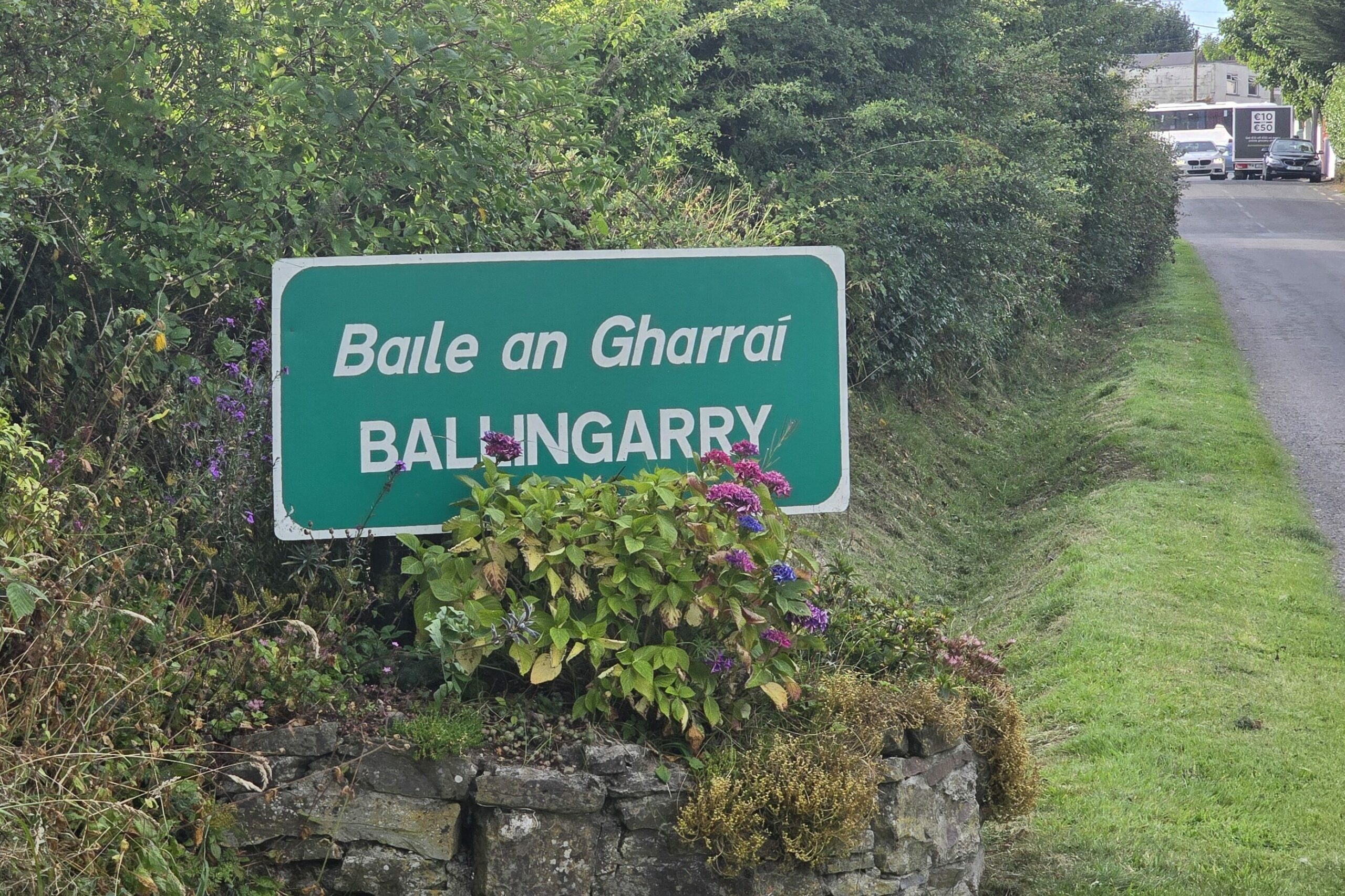
Welcome to Ballingarry
The “Town of the Garden” with a rich history in rebellion and mining.
Experiences in the Village
The Miners Rest
The original watering hole for the lads who worked in the mines. Recently restored with a mural outside.
Botanical Gardens
Located in the center of the village, this charming garden pays tribute to the mining heritage. Recycling old equipment to create a rich ecosystem.
Famine Warehouse
The site of the 1848 Young Irelander Rebellion siege, now serves as a museum showcasing the uprising’s history, the rebels’ trials, and their subsequent exile and escape.
Things to do
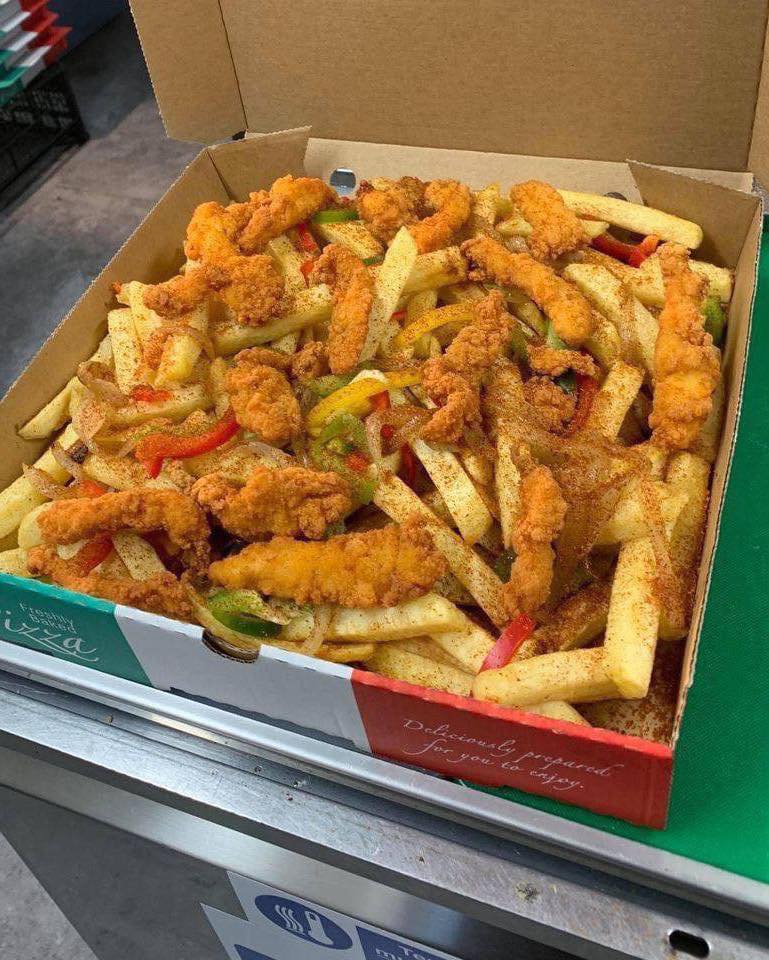
Eat at the Village Takeaway

View the Local Art
Rich in History
Ballingarry is best known for the 1848 rebellion against British rule, led by William Smith O’Brien.
The uprising took place at the McCormack House, also known as the Warhouse, which is now a national memorial. During the standoff, O’Brien attempted to negotiate with police who had taken refuge inside, using the McCormack children as hostages.
After failed negotiations and a brief gunfight, O’Brien was arrested on 5 August while fleeing. He and other leaders were convicted of treason and initially sentenced to death, but at Queen Victoria’s insistence, their sentences were commuted to transportation to Australia
Watch the GAA
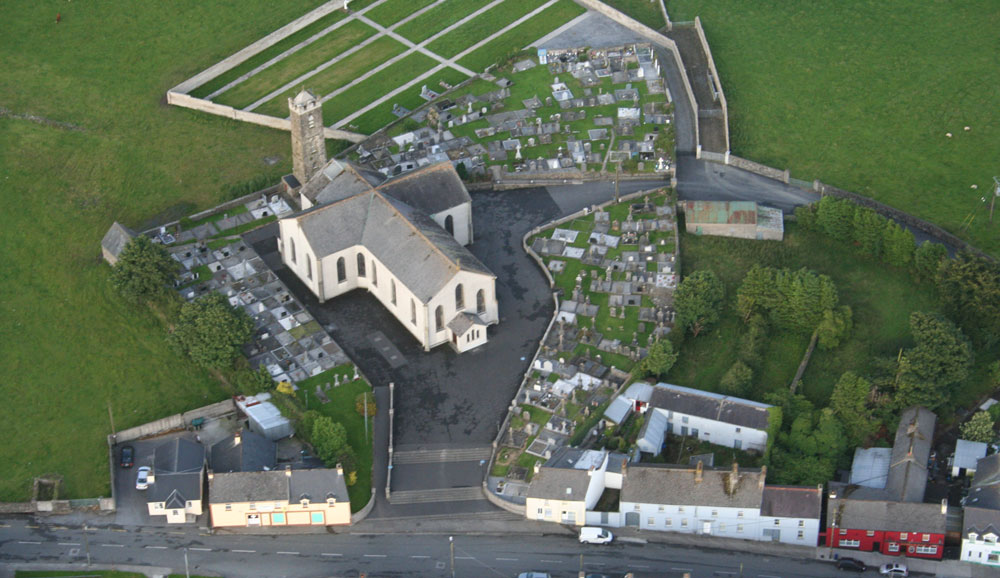
Pray For Peace
The Industrial Hub
The Mining Company of Ireland began operations in 1826 and played a major role in the local economy until 1926.
At its peak in the 1840s, the mines produced an impressive 50,000 tons of coal annually and even played a significant role during the Young Irelander Rebellion of 1848. By 1866, twelve pits were actively mined in the area.
From 1942 to 1950, the mines were managed by the government under the name Mianraí Teo, marking an important chapter in the region’s rich industrial heritage.
Interested in Relocating to Ballingarry?